


Breaking News: Local & Latest
3.92.00 Reviews
App Specs
- Version
- v1.7.4
- Updated On
- License
- Free
- Downloads
- 100,000+
- Developer
- LiveTech Limited
- Categories
- News & Magazines
- Platform
- Android
Screenshots
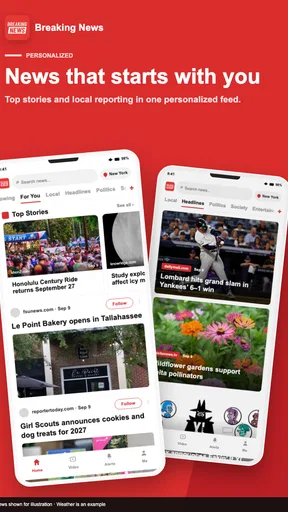
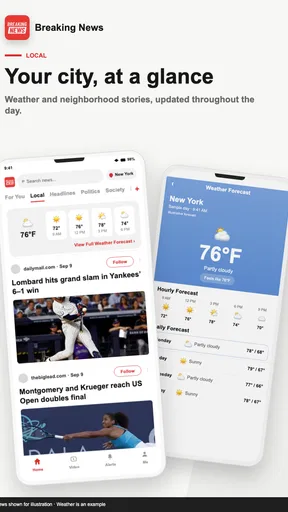
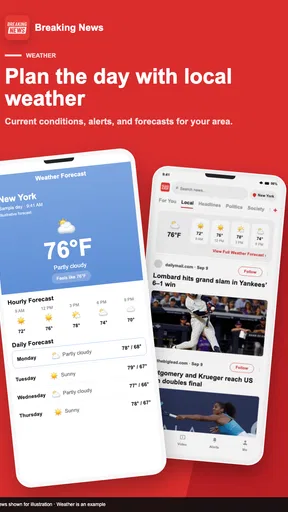
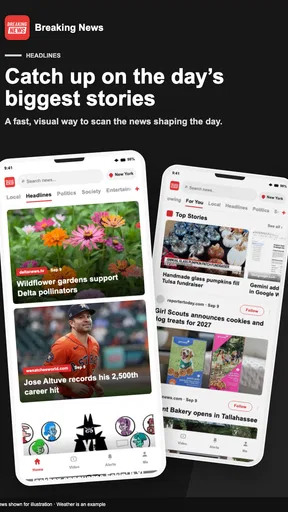
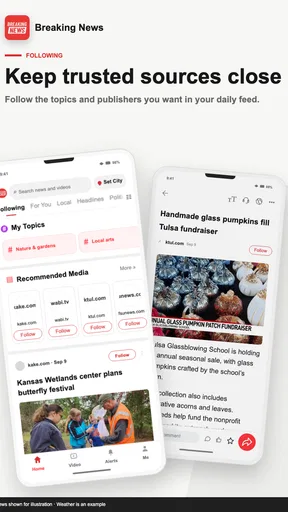
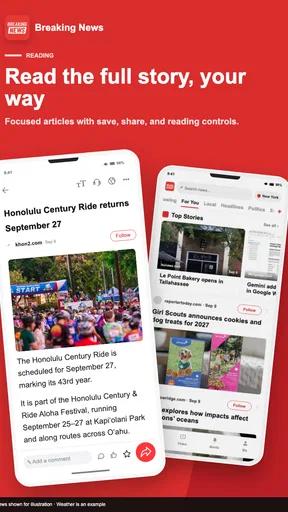
 Analysis by AppCompare
Breaking News: Local & Latest is the kind of news app I would install when I want a quick view of what is happening nearby without committing to a full newspaper subscription or a long reading session. Its focus is straightforward: bring together local, personalized, and breaking updates in one place. After spending time with it, my overall impression is that it works best as a lightweight news starting point rather than a complete replacement for established news outlets.
The app is free, aimed at everyone, and belongs to the News & Magazines category. That makes its appeal easy to understand: it lowers the barrier for anyone who wants headlines on a phone, whether the goal is checking local developments before work, scanning national stories during a break, or keeping an eye on breaking events. The important question is not whether it can show news at all, but whether its approach is useful enough to become part of your daily routine.
How Breaking News: Local & Latest fits into everyday reading
Breaking News: Local & Latest is developed by LiveTech Limited and currently sits at version v1.7.4. It was released on May 28, 2025, and is available for devices running Android 7.0 or later. Those details make it accessible to people using older Android phones, which is a practical advantage for an app built around quick, regular checks rather than demanding hardware.
The app’s central idea is more useful than the short “Breaking News” label might suggest. A news reader becomes valuable when it reduces the effort between opening the phone and finding something relevant. Local stories matter because they can affect transport, schools, public services, weather, events, and neighborhood safety in ways that broad national coverage often misses. Personalized reading matters because a person interested in business, sport, technology, or public affairs does not necessarily want the same front page as everyone else.
In my experience, this kind of app is easiest to judge through routine rather than a single long session. I would open it in the morning for a fast scan, return around lunchtime to see whether a developing story had changed, and use it again in the evening when I wanted a broader sense of the day. That repeated pattern is where a local news app either earns a place on the home screen or becomes something I forget about after the first week.
The store summary presents the app as a source of personalized, local, and breaking updates, and that combination gives it a clear identity. It is not trying to be only a newspaper archive, only a national headline feed, or only a local bulletin board. The trade-off is that a broad promise can create uneven expectations. Some readers will appreciate the mix, while others may prefer a specialist app with a narrower editorial focus.
What makes the news feed useful
The strongest part of the concept is the relationship between immediacy and relevance. A breaking story is more useful when it appears alongside information connected to the reader’s surroundings. For example, a national report may explain a policy change, while a local update shows how that change is affecting a nearby service. Seeing both types of story together can make the news feel less abstract.
Worth Reading Before You Choose

EA SPORTS FC Mobile 26 Is a Bigger Football Game, but It Takes Time

Flipboard Shows What News Apps Must Do Beyond the Feed

Switching to Android Auto Means Rethinking Your Driving Routine

Google Calendar Makes a Crowded Week Easier to Manage

Ludo King Makes the Most of the Minutes Between Plans

Baby Panda World Brings Quick Play to Modern Phones, but Its Game Library Feels Busy
I also like the idea of using personalization as a filter rather than treating every headline as equally important. A crowded news feed can become tiring when it contains too many unrelated stories. If the app’s selection reflects the subjects and locations a reader actually cares about, it can make short visits more productive. This is particularly helpful for people who want awareness without spending an hour moving between separate publications.
There is a useful workflow hidden in that approach. I would first scan the most urgent headlines, then move to local items, and only afterward open broader stories that seemed relevant. This order prevents the app from turning a quick check into an endless scroll. It also gives local reporting a fair chance instead of allowing major national headlines to dominate every visit.
Another practical use is checking the app before making plans that depend on what is happening around you. Someone heading across town could use it as an early warning layer for an event, disruption, or developing situation, then verify important details through the responsible authority or original publisher. I would not treat any single headline as the final word on an emergency, but the app can help signal when a closer look is worthwhile.
Where it compares well with familiar alternatives
Compared with opening several individual newspaper apps, a combined news reader can be less demanding. Instead of remembering which publication covers local affairs, which one handles national reporting, and which one is useful for a particular interest, the reader has one place to begin. That convenience is the app’s clearest argument.
Compared with social media, a dedicated news application can also offer a calmer starting point. Social feeds often mix reporting with commentary, personal posts, reposts, and unrelated recommendations. Breaking News: Local & Latest is better suited to someone who wants headlines first and discussion second. It does not remove the need to judge sources, but it can make the initial discovery process more focused.
Compared with a single trusted local publisher, however, the app may be less satisfying for readers who want deep context, named reporters, long investigations, or a consistent editorial voice. A specialized publication usually has a stronger connection to its area and may provide more detail on complicated local issues. I see this app as a discovery layer and daily overview, not automatically as the best destination for serious background reading.
That distinction matters when deciding whether to rely on it. For a commuter who wants a quick sense of the morning, its broad format makes sense. For a reader following a court case, city project, election, or public controversy closely, a direct source is likely the better second step. The app can point you toward a subject, but focused reporting is still important when the details have consequences.
The friction behind the convenience
The main weakness is the same feature that makes the concept attractive: combining different kinds of news can make the experience feel less consistent. Local coverage varies greatly by place, and personalization only helps when the available stories match the reader’s interests. On a quiet day in one area, the feed may feel less useful than it does during a major event.
Breaking updates also create a natural tension between speed and completeness. Early reports can be incomplete, revised, or missing important context. I would use the app to notice that a story is developing, but I would not share a dramatic headline immediately or make a serious decision without checking the article and, where appropriate, an official source. This is not a criticism unique to this application; it is a necessary habit for any fast-moving news feed.
Another limitation is that a personalized feed can become too narrow if a reader only follows familiar subjects. Convenience may reduce accidental discovery, and that can leave gaps in a person’s understanding of wider events. My solution would be to keep a deliberate balance: use personalized items for relevance, but occasionally read outside the usual interests to avoid turning the app into an information bubble.
There is also a difference between seeing a headline and understanding a story. A quick news app is naturally strongest at the first task. If you expect every item to provide the depth of a magazine feature, detailed timelines, or extensive analysis, you may find the format unsatisfying. I would pair it with one or two trusted publications rather than asking it to perform every news function by itself.
Small habits that improve the experience
My first recommendation is to treat the opening scan as triage. Read the headline, identify whether it is local or broader, and decide whether it deserves a full article. This avoids confusing a headline collection with a complete briefing. It also makes the app more useful for people who only have a few minutes.
Second, I would avoid judging the app from one unusually quiet session. Local news depends on geography and timing, so usefulness can change from morning to evening and from one day to the next. Give it a realistic routine before deciding whether the selection is relevant. The better test is whether it repeatedly helps you find something worth following.
Third, use the app as a starting point when a story affects real plans. If an update concerns travel, public safety, a local service, or a scheduled event, open the underlying report and look for the latest details. A headline can alert you, but it may not include changed times, exceptions, or instructions. This two-step habit is more reliable than treating a short update as a complete notice.
Finally, compare the app’s feed with your existing news habits instead of adding it without removing anything. If it simply duplicates several feeds, it may increase noise rather than save time. Its value is highest when it replaces scattered checking with one quick overview, while leaving room for a trusted specialist source when a topic becomes important.
Who should install it
I think the best audience is people who want a free, accessible way to keep up with a mixture of nearby and wider stories. It suits casual readers, busy workers, students, and anyone who prefers short visits throughout the day. The Everyone age rating also makes it a broadly approachable choice for general news reading.
It is especially well matched to readers who do not yet have a fixed news routine. Instead of choosing several publications immediately, they can begin with one app and learn what subjects deserve deeper attention. The personalized angle may also help someone who finds broad front pages overwhelming and wants a more manageable starting point.
The app is less suitable for readers who already subscribe to a highly regarded local newspaper and mainly want detailed, authoritative reporting from that one source. It is also not my first choice for professionals who need specialist coverage, researchers who require extensive archives, or anyone who wants every article to include substantial analysis. Those users will probably benefit more from dedicated publications and direct source checking.
Its scale suggests that it has already attracted a meaningful audience, with over one hundred thousand installs and a 3.9 average from around 259 ratings. I would read that as evidence of interest rather than a guarantee that every reader will have the same experience. The number of ratings is still modest enough that personal relevance, location, and reading habits should matter more than the score alone.
My final view after using it as a daily news shortcut
Breaking News: Local & Latest succeeds when I treat it as a practical first look at the day. Its combination of local discovery, personalized topics, and breaking coverage gives it a clear purpose, and the free price makes experimenting with that routine easy. The broad compatibility is another quiet strength for people who do not use a recent phone.
Its limitations are equally clear. A fast feed cannot replace careful reporting, and a combined selection may not always match the depth or consistency of a dedicated local publisher. Readers need to verify important developments, resist reacting to incomplete headlines, and occasionally look beyond their personalized subjects.
My verdict is positive but measured: install it if you want a convenient news dashboard that helps you discover what deserves attention. I would recommend it to a friend who wants local awareness without juggling several apps, while also explaining that serious stories deserve a second source. If your priority is deep journalism from one trusted publication, choose that specialized option instead. For everyone else, this is a useful free companion for building a faster and more informed daily check.
Pros
- Quick access to breaking stories from nearby and global sources.
- Clean layout makes scanning headlines fast and convenient.
- Useful alerts help users stay informed about developing events.
- Covers multiple topics
- including politics
- sports
- and entertainment.
- Personalized news feeds can make content more relevant to your interests.
Cons
- Frequent notifications may feel excessive without careful customization.
- Some stories may repeat across different news sources.
- Local coverage quality can vary depending on your selected area.
- Breaking reports may contain incomplete details at first.
- Advertising can interrupt browsing and reduce reading comfort.
FAQs for Breaking News: Local & Latest
What is Breaking News: Local & Latest?
Breaking News: Local & Latest is a news application designed to help users follow current events from their area and around the world. It brings together breaking stories, local updates, headlines, and developing reports in one place. The app is useful for readers who want quick access to important news without checking several websites or social media platforms individually.
How does the app personalize the news I see?
The application can use your selected interests, location, and preferred news categories to make the feed more relevant. Depending on the available settings and permissions, you may be able to follow local news, national events, politics, sports, entertainment, technology, and other topics. Reviewing the personalization and notification settings after installation is recommended so the feed matches your interests.
Does Breaking News: Local & Latest send breaking-news notifications?
Yes, the app is intended to keep users informed through alerts about major or developing stories. Notifications may include local incidents, urgent updates, and important national or international headlines. The frequency can vary depending on the news cycle and your chosen settings. If alerts become distracting, you can usually adjust categories, disable breaking-news notifications, or turn them off completely.
Is the app free to download and use?
Breaking News: Local & Latest may be available as a free download, although some features, content, or reading options can depend on the version of the app and the developer’s current business model. Free news applications may also display advertising or offer optional premium features. Before downloading, check the official store listing for subscription details, in-app purchases, and any regional restrictions.
What privacy permissions does the app require?
The permissions requested can vary by device and operating system, but a news app may ask for notification access and, if you want local coverage, location permission. Location access can help provide nearby headlines, while notifications deliver breaking updates. You should review each permission carefully and deny anything unnecessary. The app’s privacy policy explains how collected data may be used or shared.


